

Emma joined Epilepsy Alarms UK in its infancy and has been vital in shaping the service into what it is today. As Customer Care Manager, Emma epitomises the company's core values and provides an ethic... Read More
The Increasing Consequences of Epilepsy Medication Shortages

While epilepsy medication may not guarantee a life free from challenges, it is crucial for maintaining stability, independence, seizure control, and, ultimately, safety. Without proper medication, individuals may face risks such as increased seizures, heightened anxiety, injuries, and even death.
The shortage of medication has been ongoing since around 2023. However, it started to spike with epilepsy medication since around the beginning of 2024. Although some medications are back in stock, shortages of epilepsy medication remain an ongoing crisis, with increasing reports of their impact on individuals regularly appearing in the news.
Fatal Consequences
In some cases, the consequences of this medication shortage have, unfortunately, been fatal. For example, David Crompton tragically died on 13 December 2024 after being left without his epilepsy medication for 10 days.
David Crompton 44, sadly passed away after falling down a flight of stairs. Although his death was caused by the fall it was found that his epilepsy was a contributing factor.
This was not the first time David Crompton was left without the medication “Tegretol”, according to The Guardian. When Mr Crompton’s pharmacy failed to provide his medication, his family were asked to contact other pharmacies to hunt for his medication, something the pharmacy should have done themselves.
In April 2024 Mr Crompton was told that the absence of his medication for around ten days will have likely contributed to his seizures.
In response to Mr Crompton’s death Midway Pharmacy said – “We were shocked and saddened to learn of the death of Mr Crompton. The national issue of the ready availability of vital mediation is of ongoing concern to all of us in the pharmacy profession.”
The Department of Health and Social Care further made a statement to say they are sorry for Mr Compton’s death, and they are “aware of Epilepsy Action’s concerns and will respond in due course.”
Another fatality was that of Charlie Marriage, who suffered grand mal seizures without any warning. The risks of his condition were well managed with medication.
However, after being advised to self-isolate for COVID-19, Mr Marriage faced several administrative delays and communication breakdowns while trying to get a refill of his anti-seizure medication. As a direct result of missing his treatment for over 48 hours, he suffered a fatal seizure at home.
The coroner in this case issued a prevention of future deaths notice, highlighting serious concerns about the impact of medication shortages. While not every shortage has resulted in tragedy, the ongoing impacts on daily life are clearly seen in the following examples.
Disruption of Daily Life and Education
Patients across the country have had to take desperate measures in attempts to find supplies of their epilepsy medication. For example, Peter Clunie, 69, tried calling five different pharmacies to get his medication, but none of them had any available stock.

The instability of his condition had already forced Mr Clunie into early retirement from his long-standing job as a handyman.
It caused him to stop driving and limited his abilities at work, as he was no longer able to climb ladders. Now, he faces additional struggles just trying to find a supply of his medication. Eventually, after many phone calls, Mr Clunie was able to find his medication, but he found the wait to be anxiety-inducing.
Similarly, Hannah Hiles who had to travel a 120-mile round trip to get her medication “Tegretol”. The same medication that Mr Crompton struggled to receive.
In 2024 the Nuffield Trust said medicine shortages are a significant issue in the global market. “Tegretol” and “Lamictal” has been consistently affected by the shortages.
Charlotte Kelly, a mother of two, in 2024 had to start rationing her medication. She must take two tablets every day in order to manage her seizures. Consequently, she was forced to ration her medication due to the shortage of supply.
For Ms Kelly, the thought of not being able to receive more medication when she needs it is terrifying, according to an interview with Sky News. Due to her not having her medication her chances of seizures increase, and it would lead to her having to rely on her 14-year-old daughter to call 999 for help.
A pharmacist, Ms Dhillon, told Sky news that pharmacies have no indication of when drugs are coming back into stock. It seems they are in the dark just as much as those affected by this medication shortage.
Despite these cases in early 2024 the Department of Health and Social Care had labelled the shortage a “medium impact”.
It has been said that “Last year, nearly 40% of people with epilepsy who had to skip or switch mediation due to shortages had more seizures. Some people started having breakthrough seizures, after long periods seizure-free.”
In a recent case, university student Jack Tolley has had to leave his university and return home because of the ongoing medication shortage. Tolley’s epilepsy is so severe that he cannot drive, and relying on public transport to search for available stock comes with a number of risks for him, making it nearly impossible for Tolley to secure his prescriptions when local pharmacies ran out.
Tolley expressed great sadness at leaving university because of the friendships he had formed there. We too are saddened by these stories, stories which highlight the impact medication shortages have on individuals and their families.
Why are Medication Shortages Happening?

Medication shortages have increased as it is partly due to Brexit.
The value of the pound weakening due to the Brexit referendum has made it more expensive for the NHS to buy medicines. Brexit has further removed us from the EU supply chains which makes getting hold of medicine supplies a lot more difficult.
The voluntary scheme was introduced in 2019 in an attempt to ensure that the money the NHS spends on branded medicines did not grow by more than 2% per year. In turn, medicine prices have risen to address these supply issues, which costs taxpayers £220 million a year.
The cost has risen since 2023 and is said to have caused a burden on pharmacies and increased anxiety for people with epilepsy in particular, as it takes away their stability.
Tips on How to Deal with the Medication Shortages
Plan Ahead:
It is always wise to plan ahead so you don’t have to suddenly have days without medication. At least allow a few weeks before your medication runs out to get another lot prescribed. If your local pharmacy does not have your medication in stock, you can ask for the prescription back.
Alternatively, you can ask your doctor whether you can try different versions of your medication. Being able to take a different version of your medication can prevent you from running out, stopping your medication completely, or having to ration your current supply.
Speak to Someone:
Organisations such as Epilepsy Action recognise that this is an extremely difficult time for those who are affected by the epilepsy medication shortages.
If you are experiencing anxiety and would like to talk to trained advisors, the organisation has a helpline. You can contact them on 0808 800 5050 or via their email campaigns@epilepsy.org.uk. They encourage anybody who is struggling as a result of the medication shortages to speak out about what they are going through.
You can also speak to your GP or your epilepsy specialist nurse if you are feeling worried. They can help guide you through this tough time and possibly recommend different medicines that are suited to you and your epilepsy.
Alternatively, you can call the NHS urgent advice line on 111 if your issues are urgent.
During this hard time, it is not healthy to bottle up your anxieties. Resources are there to help so that you do not feel alone.
Epilepsy Alarms:
If you are worried about your increasing seizures and specifically suffer from tonic-clonic seizures, our new EpiMonitor may give you some ease. The device detects the seizures and alerts your caregivers. Built on the legacy of the award-winning Embrace2, loved by thousands.
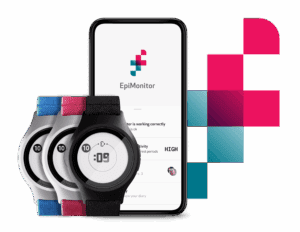
As well as detecting your tonic-clonic seizures this can also benefit your daily health metrics like sleep and psychical activity.
Epilepsy Society:
Epilepsy Society is a reliable resource to get up to date information on your particular medication restock dates. This also gives information on any delays with medication as well.
If you want to learn more about managing your Epilepsy, take a look at our other article: Understanding and Managing the Risks of Epilepsy
About The Author

Contributors

Ashleigh is a content writer with an educational background in media marketing and creative writing. With a strong background in health and wellness writing, Ashleigh is dedicated to crafting info... Read More